BLOG
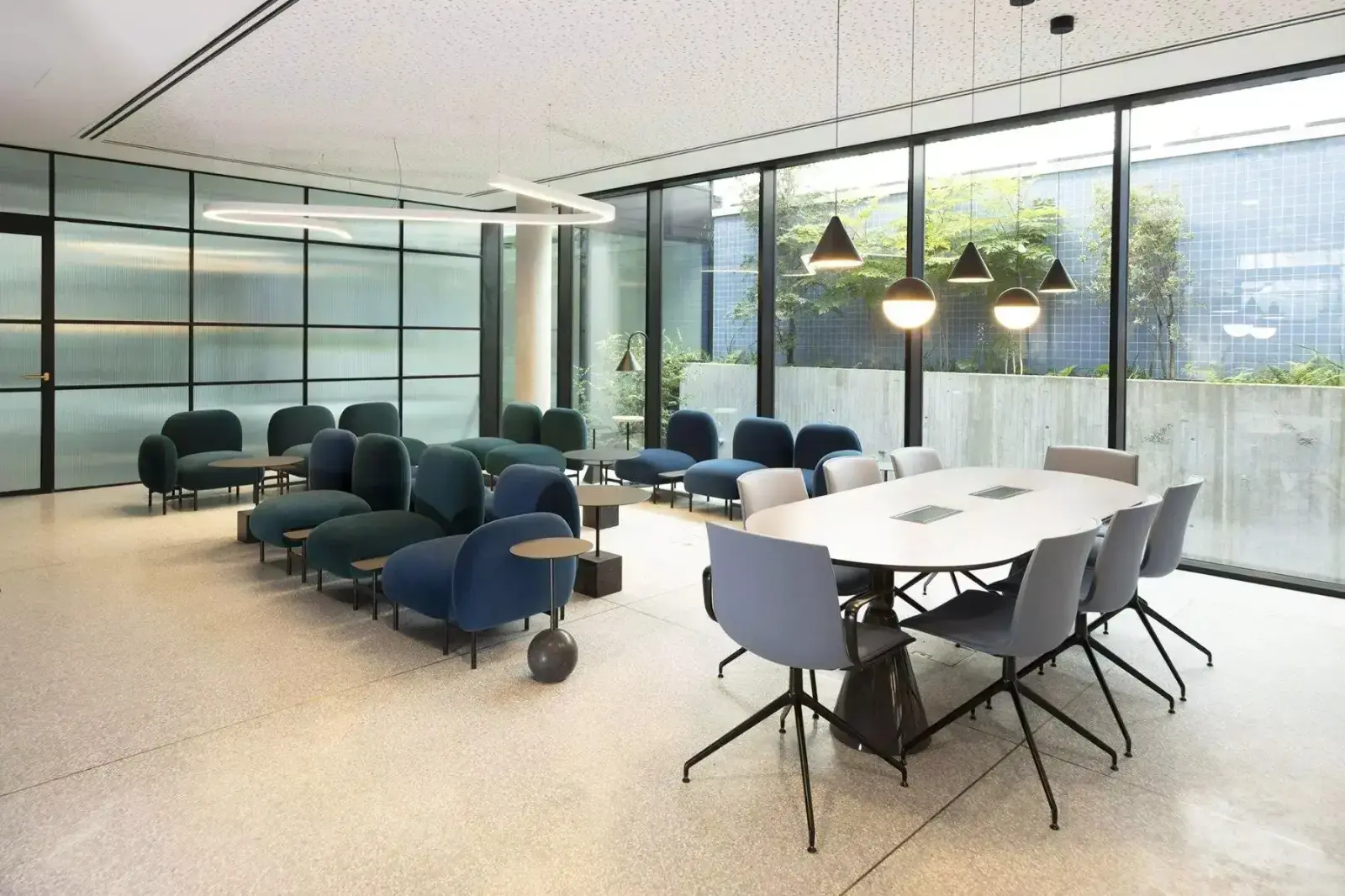
In offices, where we spend at least eight hours a day, lighting directly affects productivity, eye health, and employee comfort. Insufficient light leads to fatigue and headaches, while poorly planned lighting causes glare and screen reflections. So what exactly does "correct office lighting" mean? Standards provide a clear answer to this question with specific figures.
The EN 12464-1 standard, a reference for indoor workspaces in Europe, specifies target illumination levels based on the type of space. The critical value is the desk surface: 500 lux is targeted for surfaces used for writing, reading, and screen work.

The distribution of light is as important as the quantity: the light should be homogeneous throughout the workspace, with no sharp differences in brightness between desks. This means choosing the right light fixture and a proper layout plan.
In offices where screen work is common, luminaires with a UGR (Ultra Low Grain Ratio) of ≤19 should be preferred for glare control. For accurate color perception, a CRI (Crime Resistance Ratio) of ≥80 (90+ in design and presentation areas) is targeted; drivers should be flicker-free to prevent eye strain. For more details on these concepts, you can check out our blog posts: What is UGR?, What is CRI?, and Why Do Lights Flicker?
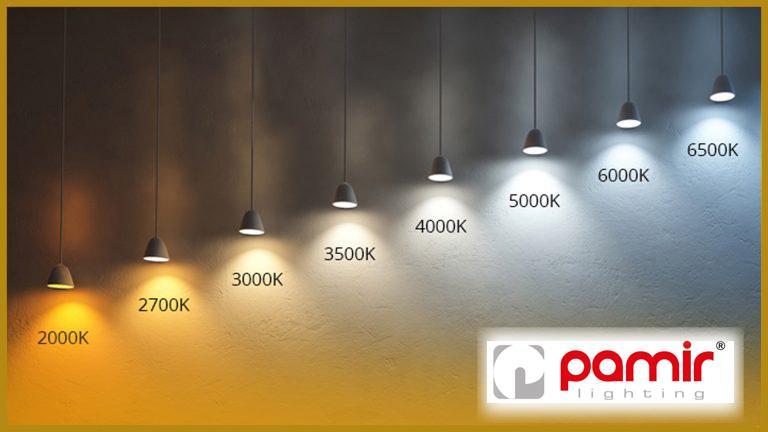
The standard choice in offices is 4000K neutral white: it keeps the mind alert and is compatible with screens. In休息 areas, cafeterias, and guest reception areas, warmer tones around 3000K create a more inviting atmosphere. In meeting rooms, adjustable (tunable) solutions provide flexibility for presentation and discussion scenarios.
Good office lighting is not achieved with a single type of fixture, but through layering: homogeneous general lighting with linear systems or panels, task lighting at desks where intensive visual work is done, and accent lighting in circulation and reception areas. In open-plan offices, another layer is added to the plan: sound comfort. Acoustic fixtures that both illuminate and reduce echo solve these two major problems of open-plan offices in a single product — see our Acoustic Lighting page for details.

The common result of these mistakes is the same: tired eyes and decreased concentration at the end of the day. The solution is to plan from the start with space-specific photometric calculations and the right product selection.
From linear systems to panels, downlights to acoustic luminaires, we manufacture all components of office projects at our factory in Konya. Our products, used in corporate office projects both domestically and internationally, feature LUMILEDS / OSRAM / NICHIA LED modules with a 60,000-hour lifespan, UGR-controlled optics, flicker-free drivers, and a 3-year warranty as standard. We also offer support for layout and lighting calculations for your office.

Contact us for your project or browse our catalog.
What should the office temperature be in lux?
The target is 500 lux for desk and screen work surfaces, 300 lux for the reception area, and 100 lux for corridors (EN 12464-1).
What color temperature is suitable for an office?
For workspaces, 4000K neutral white is standard; for social areas, warmer tones like 3000K can be preferred.
What does UGR 19 mean?
UGR is a measure of glare; the lower the value, the higher the comfort. For offices where work is done in front of screens, UGR ≤ 19 is recommended as the upper limit.
Can noise problems in open-plan offices be solved with lighting?
Acoustic luminaires with sound-absorbing housings reduce echo and improve speech intelligibility; this is the most practical way to address acoustic comfort within the lighting plan.
OUR LATEST POSTS
 TR
TR
 DE
DE
 FR
FR
 AR
AR